
Decoding Anxiety: A Journey Through the Labyrinth of Worry
Oct 13, 2024
nxiety, a word that echoes through the corridors of human experience, is a universal emotion, a fundamental facet of our being. It is the whisper of apprehension, the flutter in our chest, the quickening of our pulse when faced with the unknown. Yet, this innate response, designed to protect us from danger, can sometimes turn against us, becoming a relentless tormentor that casts a shadow over our lives. This article aims to illuminate the multifaceted nature of anxiety, exploring its origins, manifestations, underlying issues, and pathways to healing.
Unmasking the Anxious Mind: What is Anxiety?
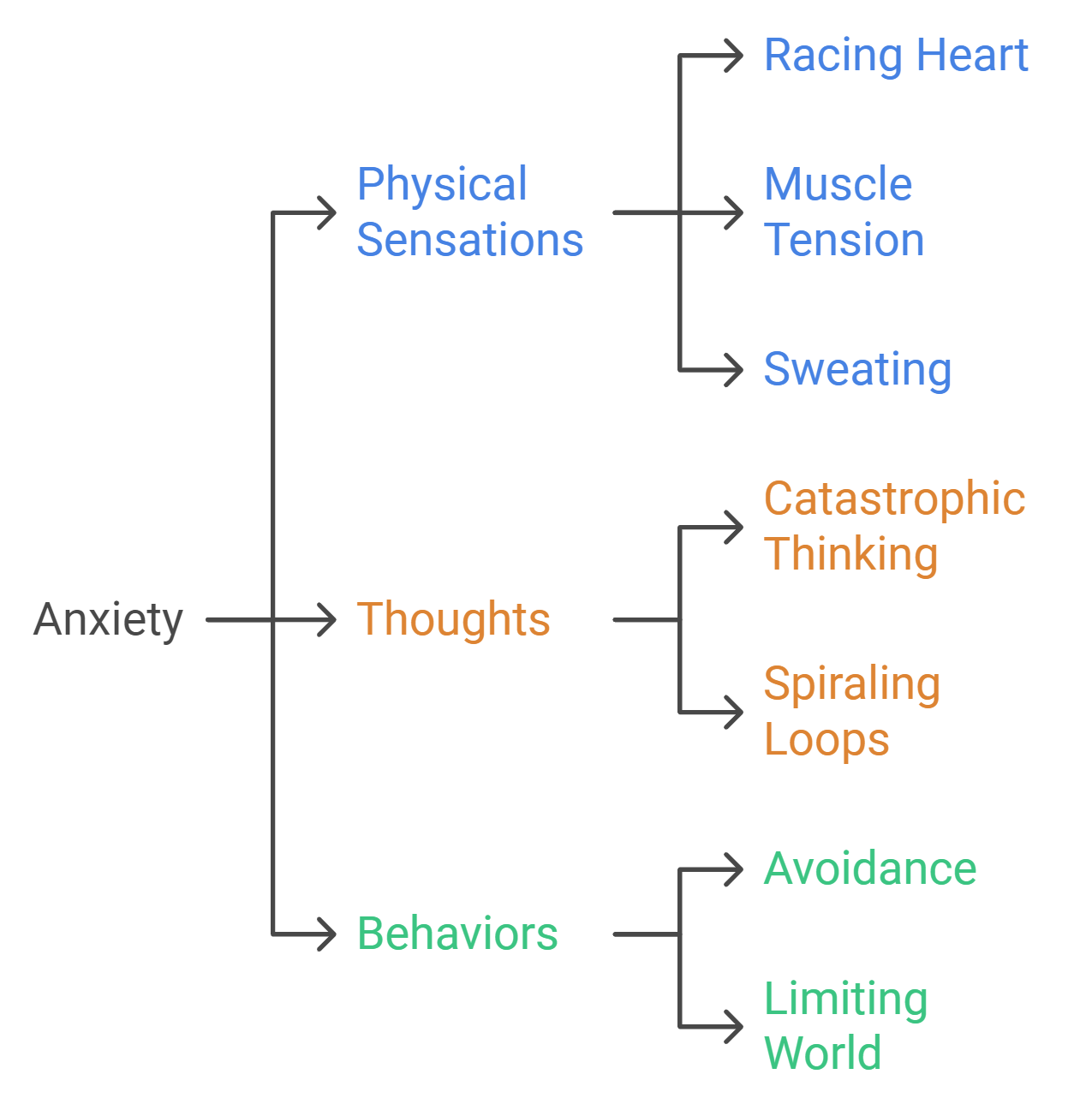
Anxiety is a complex tapestry woven from physical sensations, thoughts, and behaviours, a symphony of unease that can manifest in a myriad of ways [1-4].
-
Physical Sensations: The body speaks volumes when gripped by anxiety. A racing heart, pounding in our ears like a drumbeat of dread [5-8]. Muscles tense, bracing for an invisible threat, while beads of perspiration form, a testament to our internal struggle [6, 8].
-
Thoughts: An anxious mind is a whirlwind of what-ifs, a breeding ground for catastrophic scenarios [4]. Thoughts loop and spiral, amplifying our fears and painting a bleak picture of the future [6-8].
-
Behaviours: In the face of mounting anxiety, we often retreat, seeking refuge in avoidance [6-8]. Situations that once brought joy become battlegrounds, and we shrink back, limiting our world in an attempt to silence the inner alarm.
It's crucial to understand that anxiety, in itself, is not an illness. It is a natural human response, a survival mechanism honed over millennia to alert us to danger [4, 5, 9, 10]. However, the line between helpful vigilance and debilitating fear is often blurred. When anxiety becomes persistent, excessive, and disproportionate to the actual threat, it can morph into a formidable foe, hindering our ability to live full and meaningful lives [5, 10-14].
Unravelling the Threads: Causes of Anxiety
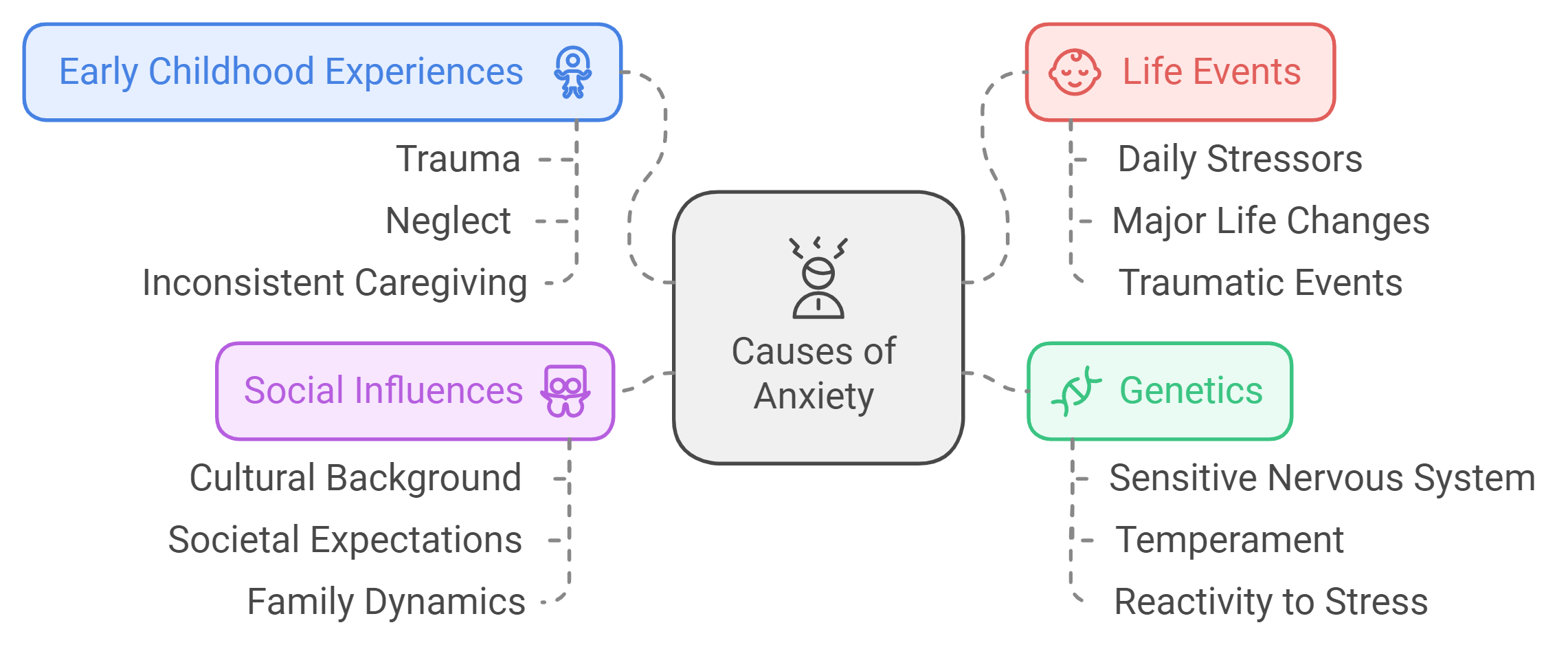
The genesis of anxiety is rarely straightforward. It often stems from a complex interplay of factors, a confluence of nature and nurture that shapes our vulnerability to this ubiquitous emotion [1, 3, 11, 12, 15].
-
The Legacy of Our Past: Early childhood experiences, particularly those marked by trauma, neglect, or inconsistent caregiving, can etch deep-seated patterns of anxiety into our emotional landscape [3, 16]. These formative years lay the foundation for our relationship with stress, influencing how we perceive and respond to challenges throughout life.
-
Life's Unpredictable Turns: Daily stressors, major life changes, and traumatic events can act as triggers, amplifying our baseline anxiety levels [3, 12, 17]. Job loss, financial strain, relationship breakdowns, illness, or the death of a loved one can shake our sense of security and propel us into a state of heightened vigilance.
-
The Blueprint Within: Genetics plays a role in our predisposition to anxiety, influencing our temperament and reactivity to stress [3, 11, 12]. Research suggests that some individuals are born with a more sensitive nervous system, making them more susceptible to experiencing anxiety.
-
The Social Fabric: Our cultural background, societal expectations, and family dynamics all contribute to the tapestry of anxiety [1, 3, 11, 12]. In a world that often prizes achievement, perfectionism, and relentless productivity, it's no surprise that anxiety has become a pervasive companion.
When Anxiety Takes Hold: Underlying Issues
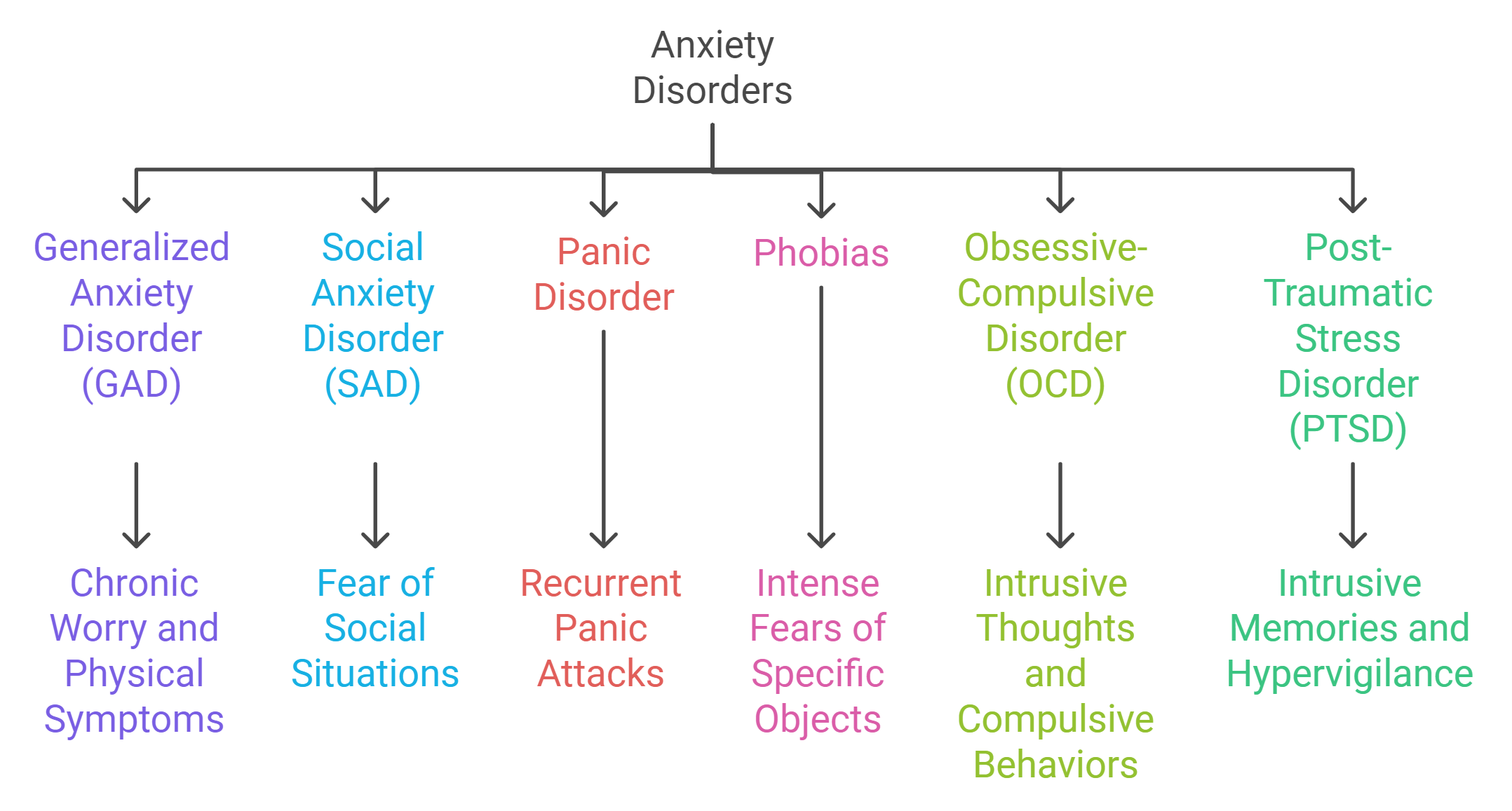
While transient anxiety is a normal part of the human experience, persistent and excessive anxiety can signal the presence of an underlying anxiety disorder [9, 11, 13]. These disorders, characterized by intense fear or worry that interferes with daily life, are far more common than we might realize [13, 18]. Let's look at some of the most prevalent anxiety disorders:
-
Generalized Anxiety Disorder (GAD): This disorder is marked by chronic and excessive worry, a persistent state of apprehension that seeps into every corner of life [13, 19]. Individuals with GAD find it difficult to control their worries, which often revolve around everyday concerns such as health, finances, work, or family. These worries are accompanied by physical symptoms such as muscle tension, fatigue, restlessness, and difficulty sleeping [13, 19].
-
Social Anxiety Disorder (SAD): The fear of social situations, of being judged, scrutinized, or humiliated, lies at the heart of this disorder [20-23]. Individuals with SAD may experience intense anxiety in situations such as public speaking, meeting new people, or eating in front of others [20-23]. This fear can lead to avoidance of social events, impacting relationships, work, and overall quality of life [20-23].
-
Panic Disorder: This disorder is characterized by recurrent and unexpected panic attacks, sudden episodes of intense fear that peak within minutes [11, 15, 24]. Panic attacks are accompanied by a constellation of physical symptoms, including a racing heart, sweating, trembling, shortness of breath, chest pain, dizziness, and a sense of impending doom [11, 15, 24]. The fear of future panic attacks can lead to significant lifestyle changes and avoidance of situations perceived as triggers [11, 15, 24].
-
Phobias: Phobias are intense and irrational fears of specific objects or situations [11, 22]. Common phobias include fear of heights, spiders, snakes, enclosed spaces, flying, or public speaking [11, 22]. Individuals with phobias go to great lengths to avoid their feared object or situation, often recognizing that their fear is excessive but feeling powerless to control it [11, 22].
-
Obsessive-Compulsive Disorder (OCD): This disorder is marked by persistent and intrusive thoughts, images, or impulses (obsessions) that cause significant anxiety and distress [20, 22]. To alleviate this anxiety, individuals with OCD engage in repetitive behaviours or mental acts (compulsions) [20, 22]. These compulsions, such as excessive handwashing, checking, counting, or arranging, provide temporary relief but ultimately reinforce the cycle of obsessions and compulsions [20, 22].
-
Post-Traumatic Stress Disorder (PTSD): This disorder can develop after exposure to a traumatic event that involved actual or threatened death, serious injury, or sexual violence [20, 22]. Symptoms of PTSD include intrusive memories, nightmares, flashbacks, avoidance of reminders of the trauma, negative thoughts and feelings, and hypervigilance [20, 22].
A Beacon of Hope: Treatment of Anxiety
The good news is that anxiety disorders are highly treatable, and a range of evidence-based therapies can help individuals regain control of their lives [25-27].
-
Cognitive Behavioral Therapy (CBT): CBT is a cornerstone of anxiety treatment, a collaborative approach that helps individuals identify and modify negative thought patterns and behaviours that contribute to anxiety [23, 25, 28-31]. Through a process of self-monitoring, cognitive restructuring, and behavioural experiments, CBT empowers individuals to challenge their anxious thoughts, develop more balanced perspectives, and gradually confront feared situations [23, 25, 28-31].
-
Mindfulness-Based Therapies: Mindfulness practices, rooted in ancient wisdom, have found a place in modern anxiety treatment, offering a powerful antidote to the grip of worry [23, 32, 33]. By cultivating present-moment awareness, non-judgmental observation of thoughts and feelings, and acceptance of discomfort, mindfulness helps individuals detach from the whirlwind of anxiety and develop a more compassionate stance toward themselves [23, 32, 33].
-
Hypnotherapy: Hypnotherapy, a therapeutic technique that utilizes hypnosis, can access the subconscious mind, addressing deep-seated beliefs, fears, and emotional patterns that contribute to anxiety [20, 34-36]. By inducing a state of deep relaxation and focused attention, hypnotherapy can facilitate positive suggestions and imagery, helping individuals rewrite their internal narratives and reduce anxiety.
-
Medication: In some cases, medication can play a helpful role in managing anxiety symptoms, particularly in the short term [29, 35, 37-40]. Antidepressants, such as selective serotonin reuptake inhibitors (SSRIs) and serotonin-norepinephrine reuptake inhibitors (SNRIs), are commonly prescribed for anxiety disorders [35, 38-40]. Anti-anxiety medications, such as benzodiazepines, can provide rapid relief from anxiety symptoms but are typically prescribed for short-term use due to the risk of dependence [35, 38-40].
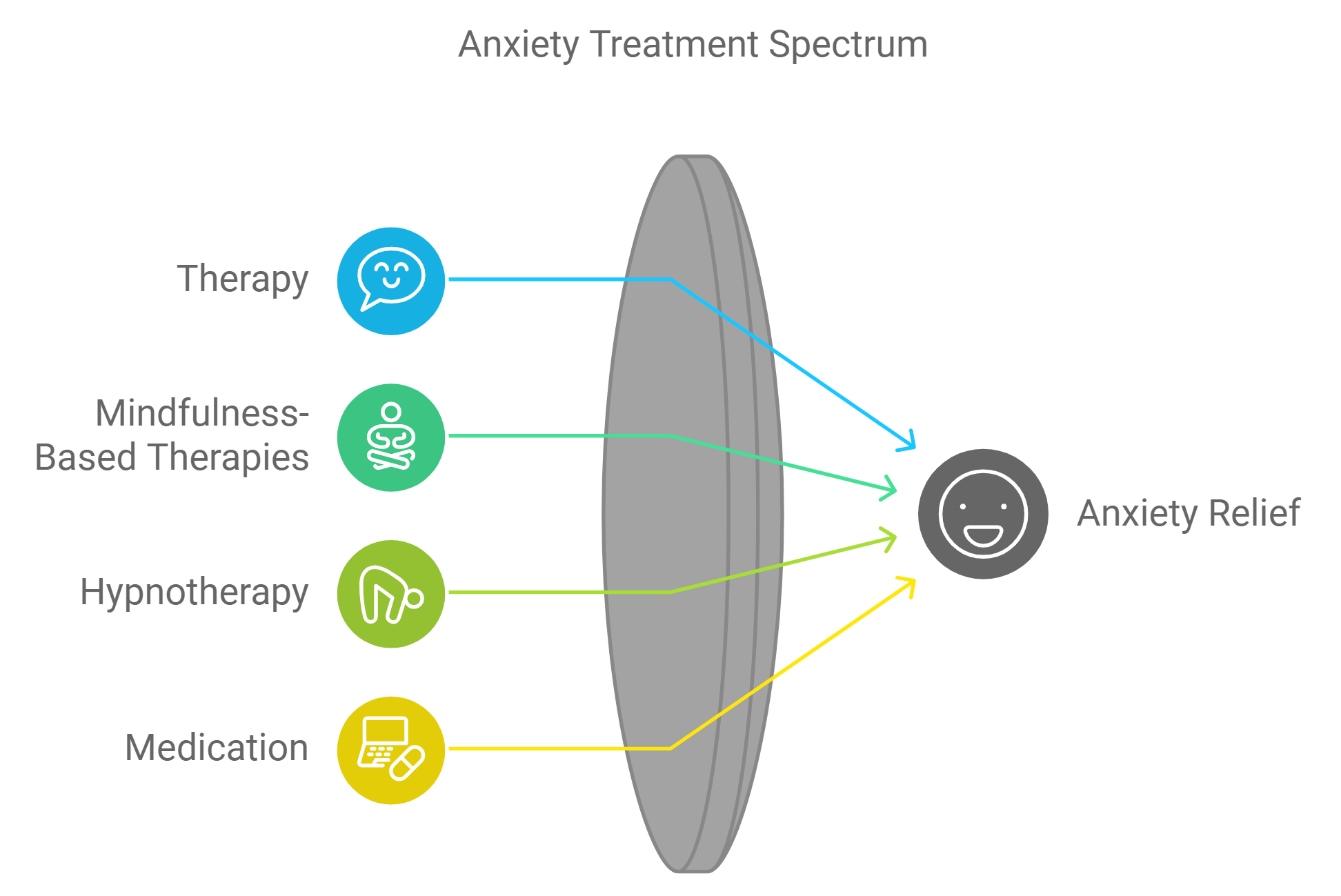
It's important to note that the most effective treatment approach often involves a combination of therapies, tailored to the individual's specific needs and preferences.
The Silent Epidemic: Prevalence of Anxiety
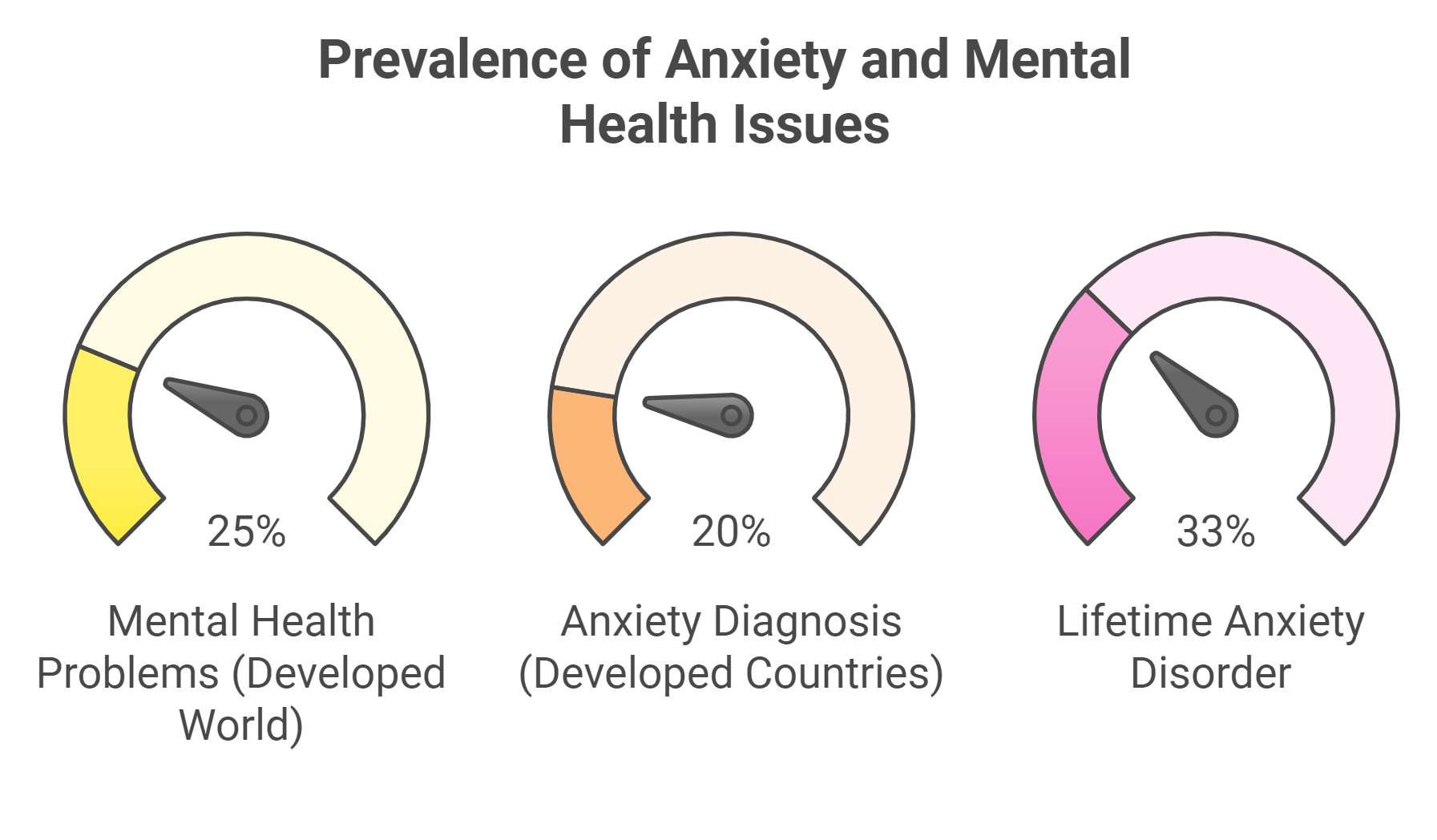
Anxiety disorders are one of the most prevalent mental health challenges globally, affecting millions of lives. In countries like Australia, the US and UK alone, statistics paint a stark picture of the silent epidemic of anxiety [28, 41-46]:
-
One in four people in the Developed World will experience a mental health problem each year, with anxiety and depression being the most common [28, 46].
-
Anxiety is the most common mental health diagnosis in most Developed Countries, excluding substance use disorders [47].
-
Nearly one-third of people worldwide will experience at least one anxiety disorder in their lifetime [47].
Despite its prevalence, anxiety remains under-reported, under-diagnosed, and under-treated [41-45]. This is due, in part, to the stigma surrounding mental health issues, which prevents many individuals from seeking the help they need [41, 43, 44].
Voices from the Shadows: Stories and Examples
The lived experiences of individuals grappling with anxiety offer poignant insights into the pervasive impact of this condition. The Mental Health Foundation's report, "Living with Anxiety," features compelling case studies that shed light on the diverse manifestations of anxiety and the challenges individuals face in navigating their daily lives [42, 45, 48-50].
-
Stephanie's Story: Stephanie, a young woman diagnosed with Generalized Anxiety Disorder, describes her anxiety as a constant companion, a voice in her head that whispers doubts and fears, amplifying everyday concerns into insurmountable obstacles [48, 49]. Her anxiety manifests as a persistent sense of dread, accompanied by physical symptoms such as racing heart, nausea, and insomnia [48, 49]. Stephanie's story highlights the pervasive nature of GAD, how it can colour every aspect of life, and the importance of seeking professional support to develop coping strategies and manage symptoms [48, 49].
-
Ian's Experience: Ian, a middle-aged man who has battled panic disorder for years, recounts the terrifying experience of his first panic attack, the sudden surge of overwhelming fear that left him feeling like he was having a heart attack [48, 49]. His initial fear evolved into a persistent dread of future panic attacks, leading him to avoid situations that he perceived as triggers, restricting his social life and career opportunities [48, 49]. Ian's story illustrates the debilitating nature of panic disorder and the importance of early intervention and treatment to prevent the development of avoidance behaviours and improve quality of life [48, 49].
-
Jane's Journey: Jane, a woman diagnosed with social anxiety disorder, describes her crippling fear of social situations, the intense self-consciousness and worry about being judged or rejected that paralyzes her in social interactions [48, 49]. Jane's anxiety leads her to avoid social events, limiting her opportunities to connect with others and pursue her interests [48, 49]. Her story underscores the profound impact of social anxiety on relationships and overall well-being, and the need for compassion and understanding in supporting individuals who struggle with this condition [48, 49].
These stories, and countless others like them, humanize the statistics, reminding us that behind the numbers are real people grappling with the often-invisible burden of anxiety.
Breaking the Silence: A Call to Action
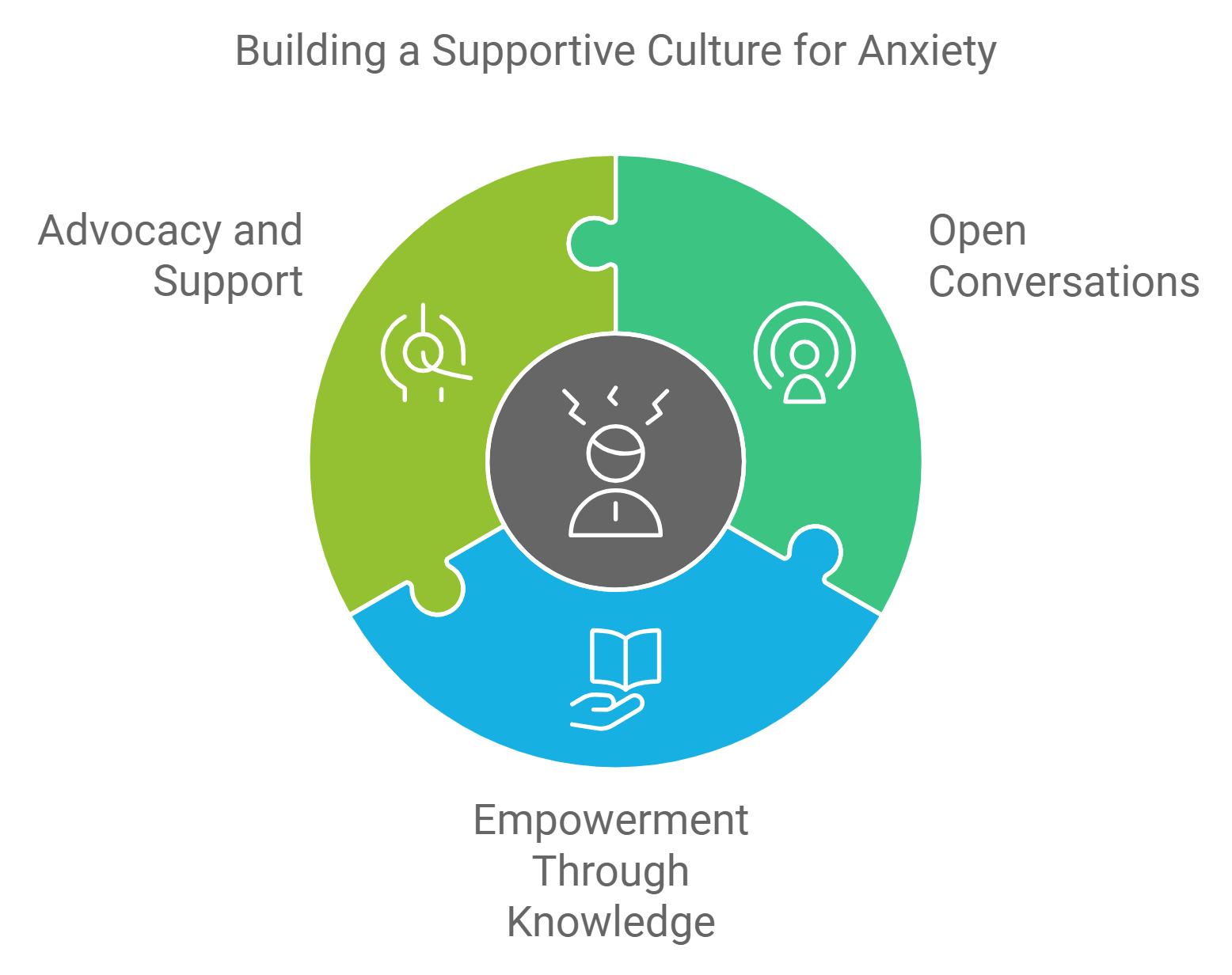
Anxiety is not a weakness; it is a human experience. It's time to shatter the stigma surrounding mental health, to create a culture of compassion and understanding where individuals feel safe to seek help without fear of judgment.
-
Open Conversations: We can start by having open conversations about anxiety, sharing our own experiences and listening with empathy to the stories of others. By normalizing these conversations, we can chip away at the shame and isolation that often accompany mental health challenges.
-
Empowerment Through Knowledge: Educating ourselves about anxiety, its manifestations, and available treatment options is crucial. This knowledge can empower us to recognize the signs of anxiety in ourselves and others, to seek help when needed, and to support those who are struggling.
-
Advocacy and Support: We can advocate for increased funding for mental health services, research, and prevention programs. We can support organizations li that provide invaluable resources and support for individuals and families affected by anxiety disorders [29, 51].
By working together, we can create a world where anxiety is understood, not feared, and where individuals struggling with this condition receive the support and treatment they deserve to live full and meaningful lives.