
Understanding Anxiety: A Comprehensive Guide
Oct 14, 2024
Anxiety is a universal human experience, a fundamental emotion that plays a crucial role in our lives. It serves as a natural alarm system, alerting us to potential threats and activating our body's "fight or flight" response. A moderate level of anxiety can be beneficial, motivating us to face challenges, perform better, and even stimulate creativity. However, when anxiety becomes persistent, excessive, or disproportionate to the situation, it can significantly impact our well-being, leading to emotional distress and potentially developing into anxiety disorders.
What is Anxiety?
Anxiety is often described as a feeling of apprehension, uncertainty, nervousness, tension, or being "on edge". It arises from the anticipation of something unpleasant happening in the future. While fear and anxiety are closely related, fear is typically associated with an immediate, identifiable threat, while anxiety occurs in the absence of immediate danger.
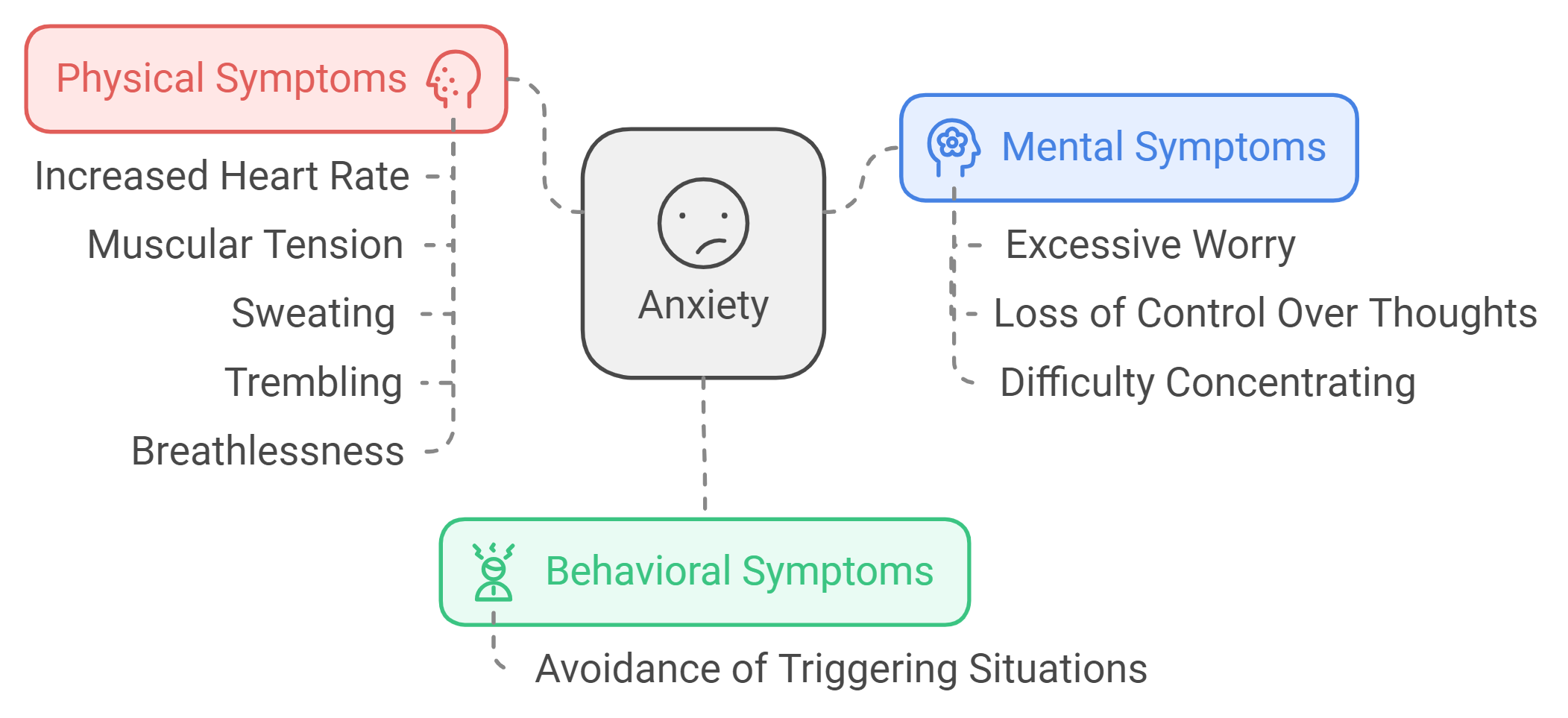
Anxiety is more than just a feeling; it also manifests in our bodies and influences our behaviour. When anxious, we experience various physical sensations, including:
-
Increased heart rate
-
Muscular tension
-
Sweating
-
Trembling
-
Feelings of breathlessness
Mentally, anxiety can lead to excessive worry, a feeling of losing control over our thoughts, and difficulty concentrating. Behaviourally, anxiety often causes avoidance of situations that trigger anxious feelings.
The Prevalence of Anxiety
Anxiety is one of the most common mental health problems worldwide. In Australia, the US and UK, it is considered a prevalent and growing concern, with evidence suggesting it is under-reported, under-diagnosed, and under-treated. One contributing factor is the stigma surrounding mental health issues, particularly anxiety, which prevents individuals from seeking help and support.
Causes of Anxiety
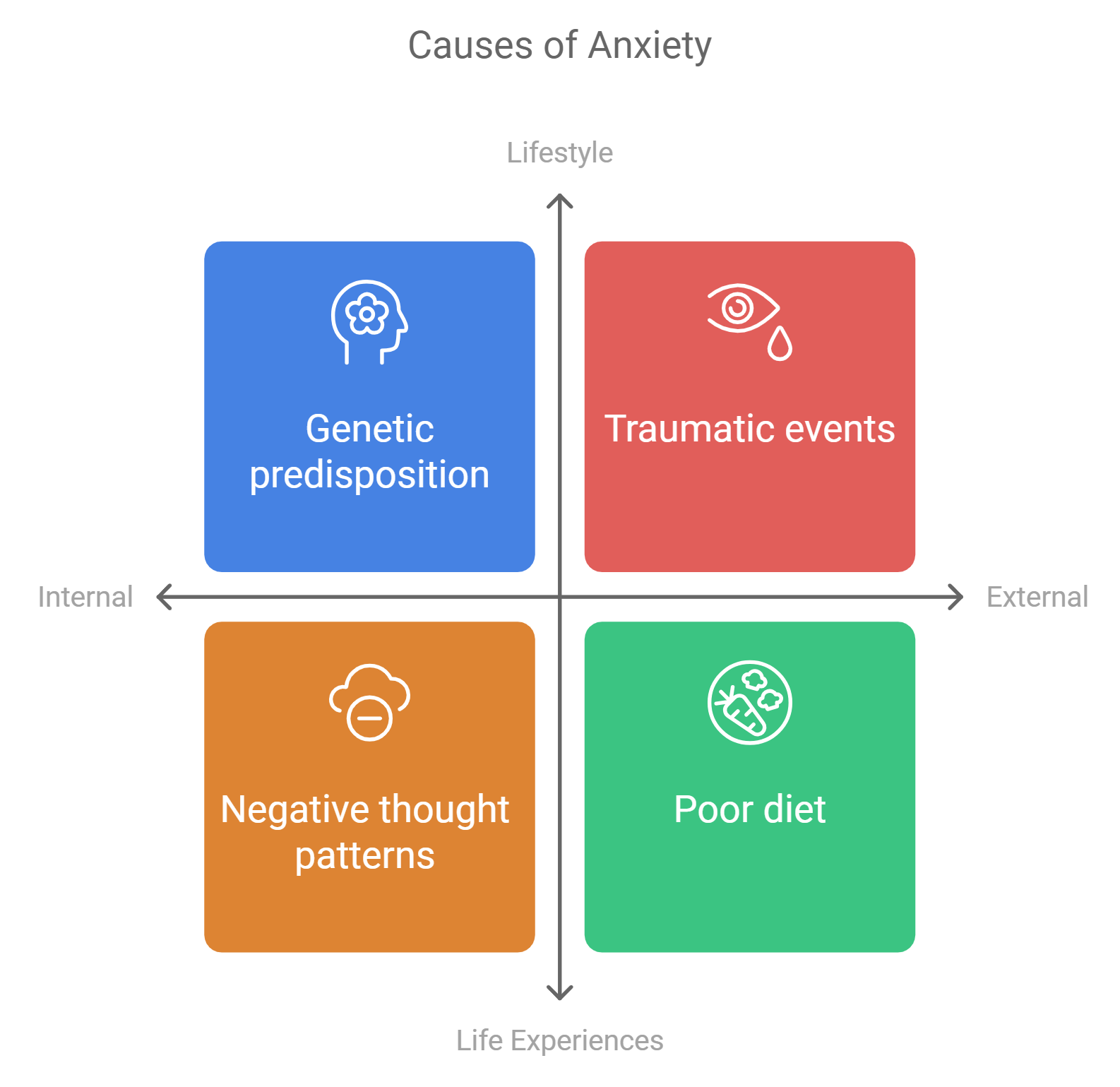
Anxiety is a complex emotion with multifaceted origins, influenced by a combination of factors:
1. Biological Factors:
-
Some individuals may have a genetic predisposition to anxiety disorders.
-
Differences in brain structure and function, particularly in the amygdala and the cortex, can contribute to anxiety.
2. Life Experiences:
-
Traumatic events, such as accidents, abuse, or violence, can trigger anxiety and lead to post-traumatic stress disorder (PTSD).
-
Stressful life events, like job loss, relationship problems, or financial difficulties, can also contribute to anxiety.
-
Social conditioning can play a role in developing anxiety, particularly social anxiety disorder, where individuals learn to fear social situations.
3. Psychological Factors:
-
Negative thought patterns, such as catastrophic thinking and overgeneralization, can fuel anxiety.
-
Low self-esteem and a lack of confidence can make individuals more vulnerable to anxiety.
-
Perfectionism and the need for control can also contribute to anxiety.
4. Lifestyle Factors:
-
Poor diet, lack of exercise, and insufficient sleep can exacerbate anxiety symptoms.
-
Substance use, such as caffeine and alcohol, can also trigger anxiety.
The Brain and Anxiety
Understanding how anxiety affects the brain is crucial for comprehending its complexities. Two key brain regions play significant roles in anxiety:
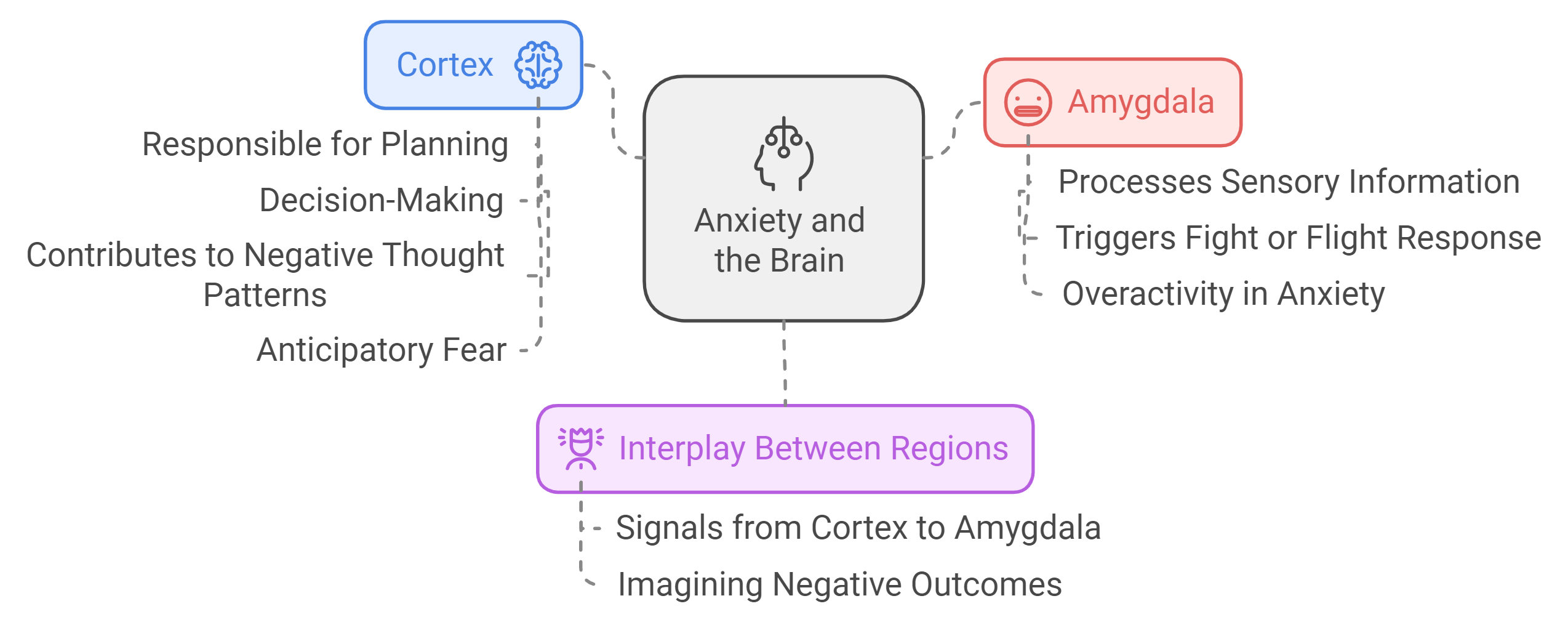
1. The Amygdala: This almond-shaped structure deep within the brain acts as our "fear centre". It processes sensory information and triggers the "fight or flight" response when it perceives a threat. In individuals with anxiety, the amygdala can become overactive, misinterpreting non-threatening situations as dangerous, leading to an inappropriate fear response.
2. The Cortex: This outer layer of the brain is responsible for higher-level thinking, planning, and decision-making. In anxiety, the cortex can contribute to negative thought patterns, worries, and anticipatory fear, further activating the amygdala.
Anxiety arises from the interplay between these two brain regions. The cortex can send signals to the amygdala, triggering a fear response, even in the absence of a real threat. For example, imagining a negative outcome in a social situation can activate the amygdala and lead to anxiety, even if the event never actually occurs.
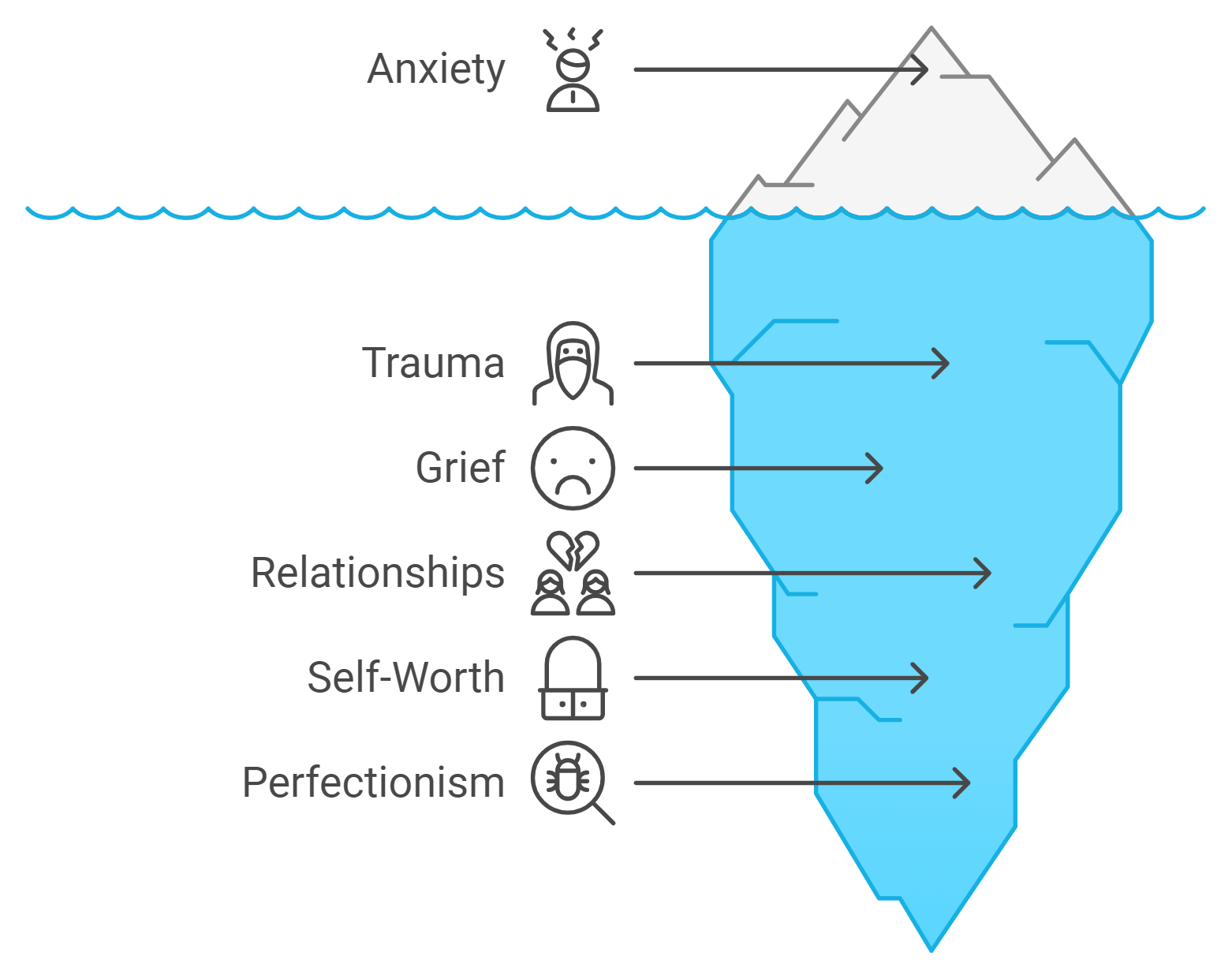
Underlying Issues
While some anxieties are situational and transient, persistent anxiety can indicate underlying issues that require attention:
1. Untreated Trauma: Past traumatic experiences can leave emotional scars that manifest as anxiety. Addressing the trauma through therapy can help heal these wounds and reduce anxiety.
2. Unresolved Grief: The pain of loss, whether from death, divorce, or other significant life changes, can trigger anxiety if not properly processed.
3. Relationship Problems: Dysfunctional relationships, characterized by conflict, lack of support, or abuse, can create a constant source of anxiety.
4. Low Self-Worth: Individuals with low self-esteem may experience anxiety in situations that challenge their sense of worth, such as social gatherings or work presentations.
5. Perfectionism: The relentless pursuit of flawlessness and the fear of failure can fuel anxiety.
Treatment of Anxiety
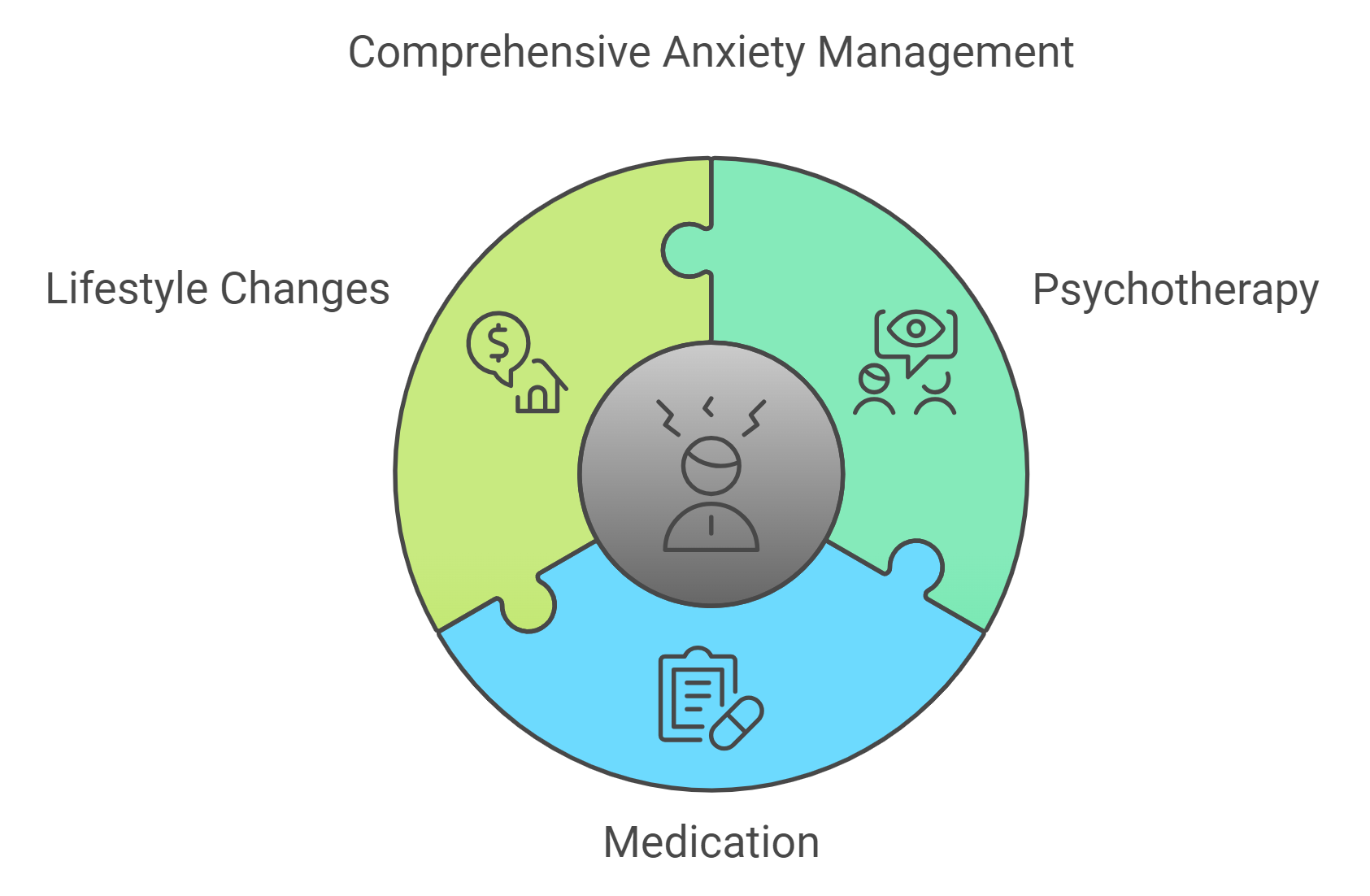
Fortunately, anxiety is treatable, and various interventions can help individuals regain control of their lives:
1. Psychotherapy:
-
Cognitive Behavioural Therapy (CBT): This widely used approach helps individuals identify and modify negative thought patterns and behaviours that contribute to anxiety. CBT teaches coping skills to manage anxiety-provoking situations and challenges distorted thinking.
-
Acceptance and Commitment Therapy (ACT): This therapy focuses on accepting difficult thoughts and feelings rather than fighting them, helping individuals live in the present moment and pursue valued goals despite anxiety.
-
Psychodynamic Therapy: This approach explores unconscious conflicts and past experiences that may underlie anxiety, providing insights into the root causes and fostering emotional healing.
2. Medication:
-
Antidepressants: Selective serotonin reuptake inhibitors (SSRIs) and serotonin-norepinephrine reuptake inhibitors (SNRIs) are commonly prescribed for anxiety disorders.
-
Benzodiazepines: These fast-acting medications can provide short-term relief from anxiety symptoms, but they are generally not recommended for long-term use due to the potential for dependence and withdrawal.
3. Lifestyle Changes:
-
Regular Exercise: Physical activity has been shown to reduce anxiety symptoms.
-
Mindfulness and Relaxation Techniques: Practicing mindfulness, meditation, and deep breathing exercises can help calm the mind and body, reducing anxiety.
-
Adequate Sleep: Ensuring sufficient sleep is crucial for managing anxiety.
-
Healthy Diet: Limiting caffeine, alcohol, and processed foods, while increasing intake of fruits, vegetables, and whole grains, can improve mood and reduce anxiety.
Case Examples
To illustrate the diverse experiences of anxiety, consider the following case examples:
-
Stephanie: A young woman in her early twenties, Stephanie experiences intense anxiety in social situations, particularly when meeting new people or speaking in public. She avoids social gatherings, fearing judgment and rejection, significantly impacting her personal and professional life. Stephanie's anxiety manifests physically with sweating, trembling, and a racing heart.
-
Ian: A middle-aged man, Ian suffers from generalized anxiety disorder (GAD). He constantly worries about his health, finances, and family, leading to fatigue, irritability, and difficulty sleeping. Ian's anxiety is pervasive, affecting nearly every aspect of his life, making it challenging to relax and enjoy his days.
-
Jane: Jane, a successful professional, experiences panic attacks, sudden episodes of intense fear accompanied by physical symptoms like chest pain, dizziness, and shortness of breath. The fear of having another panic attack leads her to avoid situations where she believes help might not be readily available.
These examples highlight the range of anxiety experiences and their potential impact on individuals' lives.
Conclusion
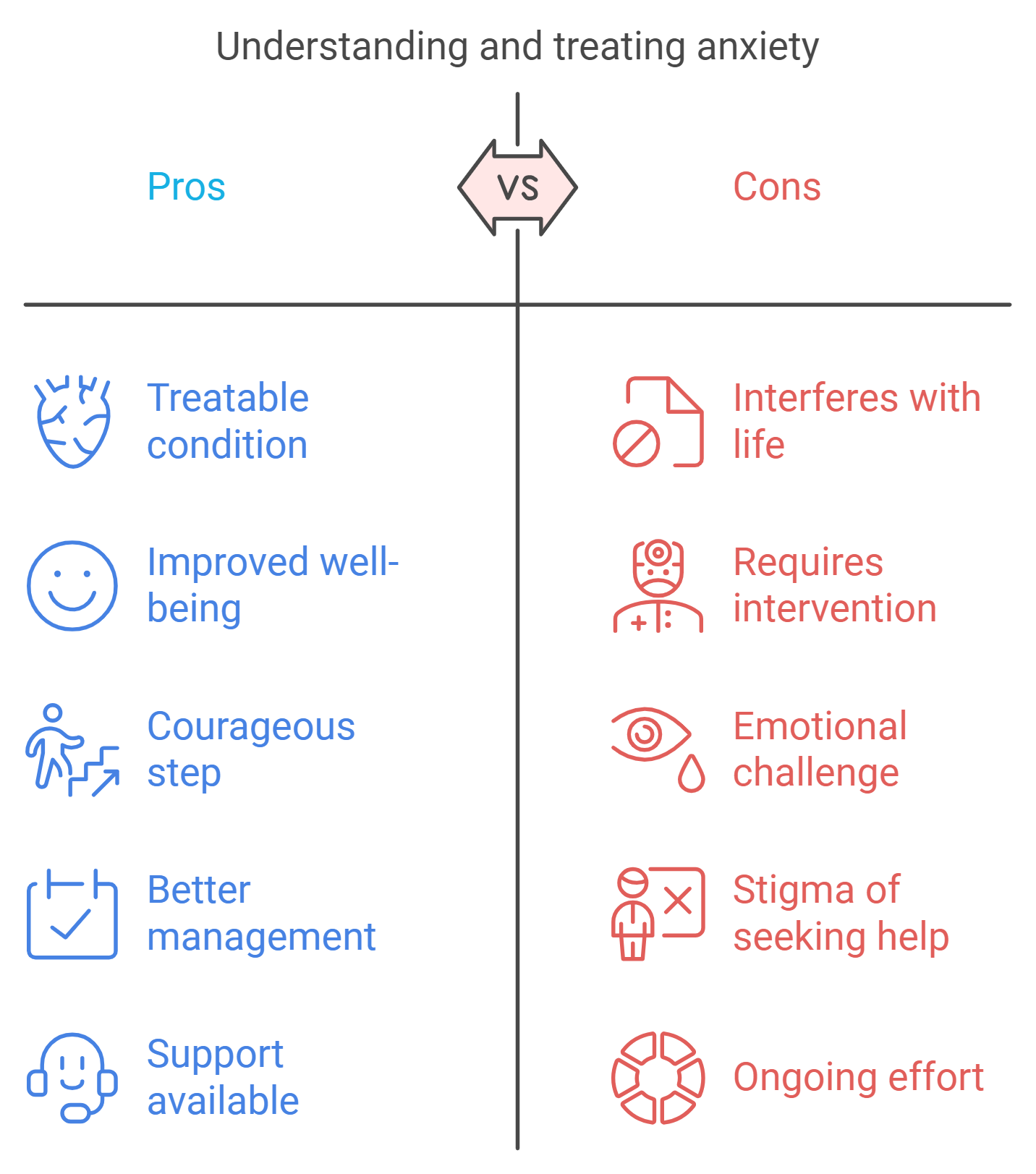 Anxiety, while a normal human emotion, can become a significant challenge when it interferes with our ability to live fulfilling lives. Understanding its causes, effects on the brain, and underlying issues is essential for seeking appropriate treatment and support. The good news is that anxiety is treatable, and with the right interventions, individuals can learn to manage their anxiety and reclaim their well-being. It's crucial to remember that seeking help is not a sign of weakness but rather a courageous step towards a healthier and happier life.